Helping you launch your rental the right way
Welcome to your first step into the world of property letting in Wales. Whether you’re preparing your very first rental or expanding your portfolio, this guide walks you through the essentials so you can start with confidence, clarity, and full legal compliance.
1. Understanding Your Legal Responsibilities in Wales
Wales has its own rental legislation, so it’s vital to work within the correct framework from day one.
Rent Smart Wales Registration & Licensing
All landlords in Wales must:
- Register themselves and their rental property with Rent Smart Wales.
- Hold a licence or use a licensed agent to manage the tenancy.
This is a legal requirement under the Housing (Wales) Act 2014.
Occupation Contracts (Not Tenancy Agreements)
Since the Renting Homes (Wales) Act 2016 came into force in 2022, tenants are now called contract-holders, and landlords must issue a written occupation contract.
Key points:
- Must be provided within 14 days of the contract-holder moving in.
- Must include all fundamental, supplementary, and additional terms.
- Fitness for Human Habitation (FFHH) requirements apply.
2. Preparing the Property Properly
A safe, compliant home protects both you and your contract-holder.
Safety Certificates You Must Have
- EPC rated E or above
- Gas Safety Certificate (annual)
- Electrical Installation Condition Report (EICR) every 5 years
- Smoke alarms on every storey
- Carbon monoxide alarms in every room with a fuel‑burning appliance
- FFHH compliance, including working smoke alarms, safe electrics, and no serious hazards
Deposit Rules
- Maximum deposit: 5 weeks’ rent (for rents under £50,000 per year)
- Must be protected in a government‑approved scheme within 30 days
- Provide prescribed information to the contract-holder
3. Setting the Rent and Fees
Rent
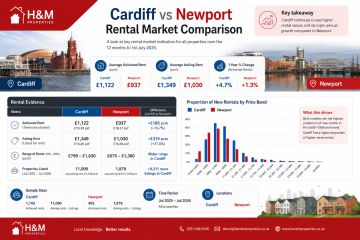
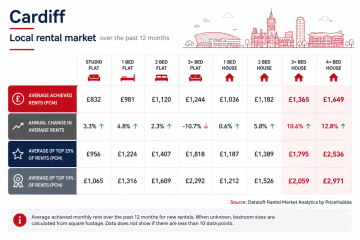
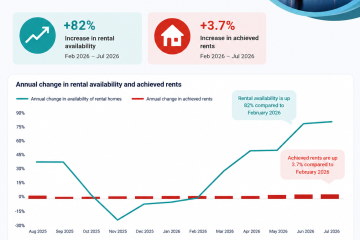
Research local market rates and consider:
- Property size and condition
- Location demand
- Comparable listings
- Seasonality
Fees
Under the Tenant Fees Act (Wales), you may only charge:
- Rent
- Security deposit
- Holding deposit (max 1 week’s rent)
- Default fees (late rent, lost keys)
- Council tax, utilities, TV licence (if included)
Everything else is prohibited.
4. Creating a Smooth Move‑In Process
A professional onboarding experience sets the tone for the entire contract.
Provide the Right Documents
- Written occupation contract
- Deposit protection certificate
- EPC
- Gas Safety Certificate
- Electrical report
- How to Rent in Wales–style information (your own welcome pack)
- Inventory and schedule of condition (with photos)
Inventory Tip
A detailed, signed inventory is your best defence in deposit disputes.
5. Managing the Property Effectively
Communication
Respond promptly and professionally.
Keep written records of all interactions.
Repairs
Under FFHH, repairs must be:
- Completed within a reasonable timeframe
- Logged and documented
- Prioritised based on risk
Inspections
Routine inspections every 3–6 months help maintain standards and catch issues early.
6. Staying Compliant Over Time
Laws in Wales evolve, so keep an eye on:
- Rent Smart Wales updates
- Renting Homes (Wales) Act amendments
- Safety regulations
- Local authority licensing (e.g., HMOs)
A yearly compliance review is a smart habit.
Final Thoughts
Becoming a landlord in Wales is rewarding when you start with the right foundations. With clear processes, good communication, and full compliance, you’ll build a positive, sustainable rental experience for both you and your contract-holders.
Drop us a message, chat to me or click HERE to get tailored guidance and resources — no jargon, no judgment, just practical help.

Working with property professionals for over 20 years providing advice and services to all property investors.
0 Comments